Luis Fernandez on Designing Kitchens That Feel Effortless
A Conversation with Miele Master Luis Fernandez
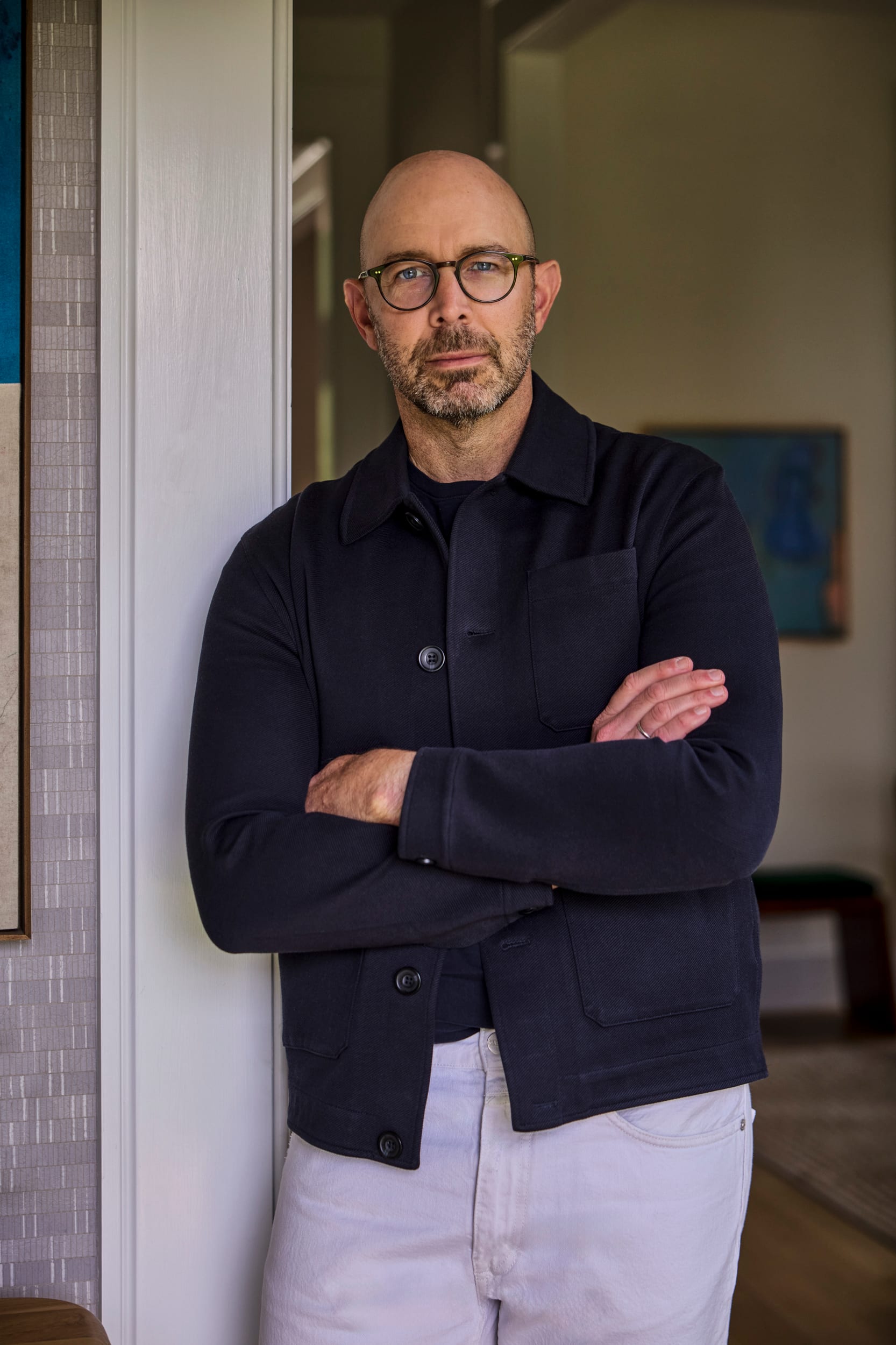
At Miele, we believe the kitchen is where life happens. That's why we created Miele Masters, a program celebrating leading voices in residential design. This week, inaugural Miele Master Luis Fernandez shares how thoughtful design, integrated appliances, and material warmth come together to create effortless living.
How do you describe your design style and ethos when it comes to approaching a kitchen?
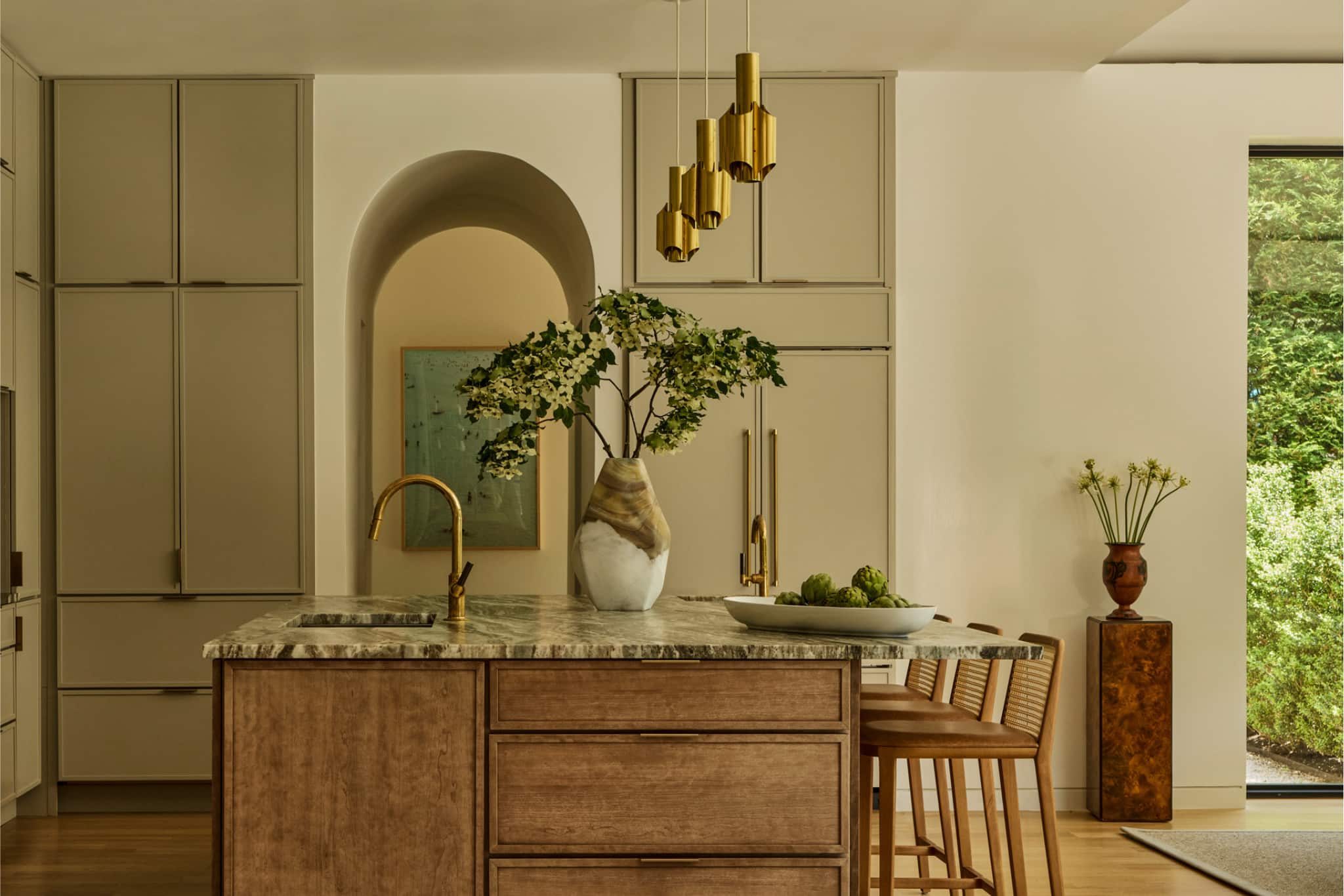
I'd describe my aesthetic as "modernism with warmth" - architectural rigor on one side, real material warmth on the other, and very much leaning into the client's lifestyle to pull everything into focus. The kitchen is often an anchor in our design approach; for so much of the way we live today, it's become the nucleus of the house. So, my ethos always starts with two questions: how does this client actually live, and how does this kitchen sit within the larger design vocabulary of the home?
Inspiration comes from everywhere, through travel, through experiences, through nature. The way a piece of millwork is detailed in an old library, a Milanese apartment from the '60s, my years in fashion where proportion and editing are everything, a piece of art the client already loves. I'm always collecting references, and then edit, edit, edit. It's the editing and the experience of a trained eye that pulls it all together.
How do you approach integrating appliances into your designs, and what role does Miele play in that process?
Appliances are architecture. That's the lens I try to bring. Sometimes that means concealing them, so the cabinetry reads as a single continuous gesture — panel-ready, recessed, invisible until needed. Other times the appliance is the moment, a beautiful machine that earns its place in the composition because it's worth looking at every day. Form following function, in both directions.
Miele plays a real role in that flexibility. Having appliances that can integrate seamlessly into millwork or stand on their own as design objects gives me the range to make either choice without compromise. And their philosophy of Immer Besser, forever better, fits how I approach the broader composition, where every detail should be quietly improving the room rather than competing with it.
What does "well-designed living" mean to you, and how do appliances contribute to that experience?
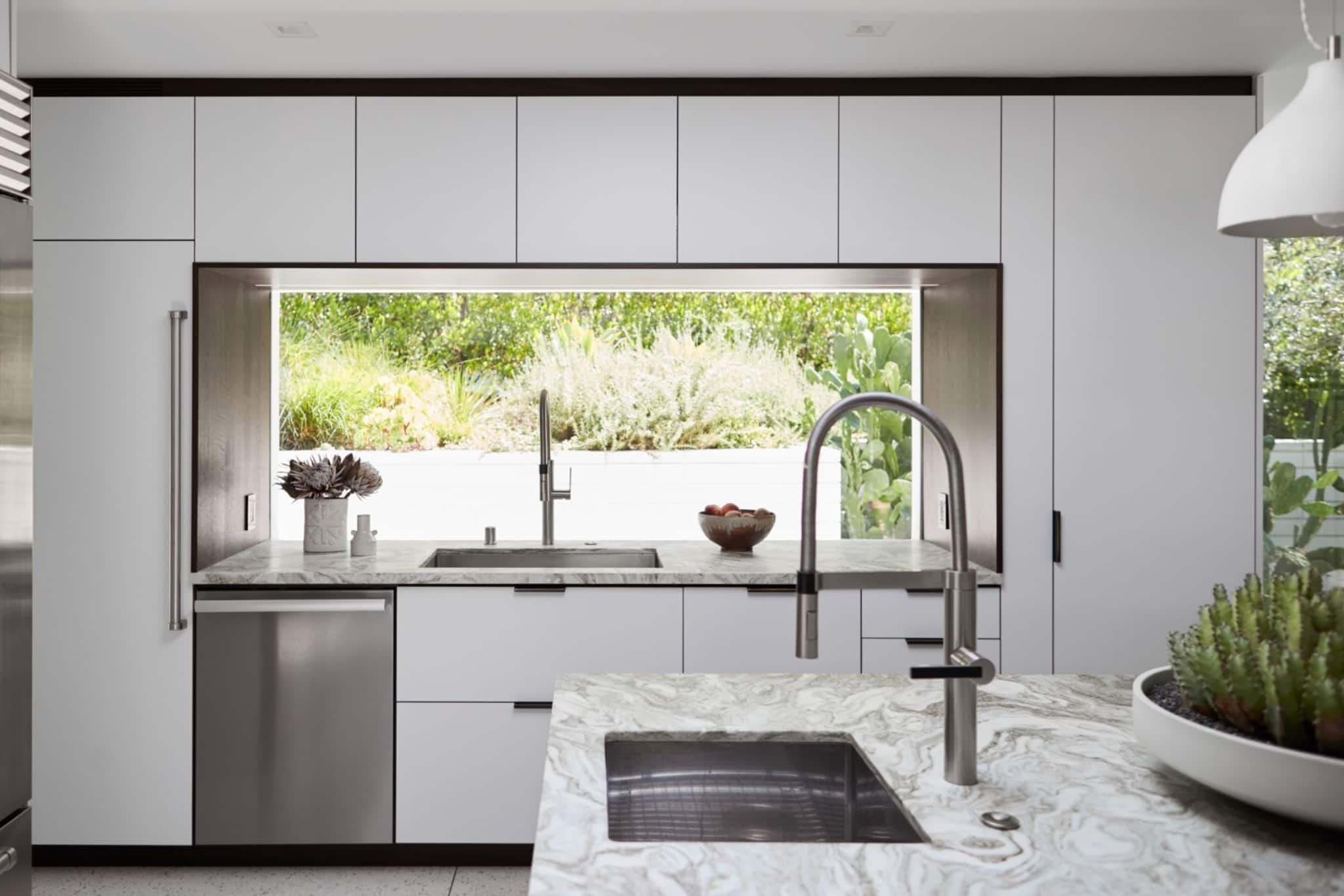
Well-designed living, to me, is the absence of friction. It's the kitchen drawer that opens with the right weight every time. The faucet that still feels like a pleasure to use on its thousandth morning. A home that supports a life without demanding attention.
This has become one of the biggest asks in a client's brief: ease of living and of using. Appliances are a huge part of that, maybe more than people realize, because they're the things you actually touch and operate every day. A beautiful room is a starting point, but a beautiful room that also works beautifully is what makes living in it feel effortless.
"Appliances are architecture. That's the lens I try to bring." — Luis Fernandez
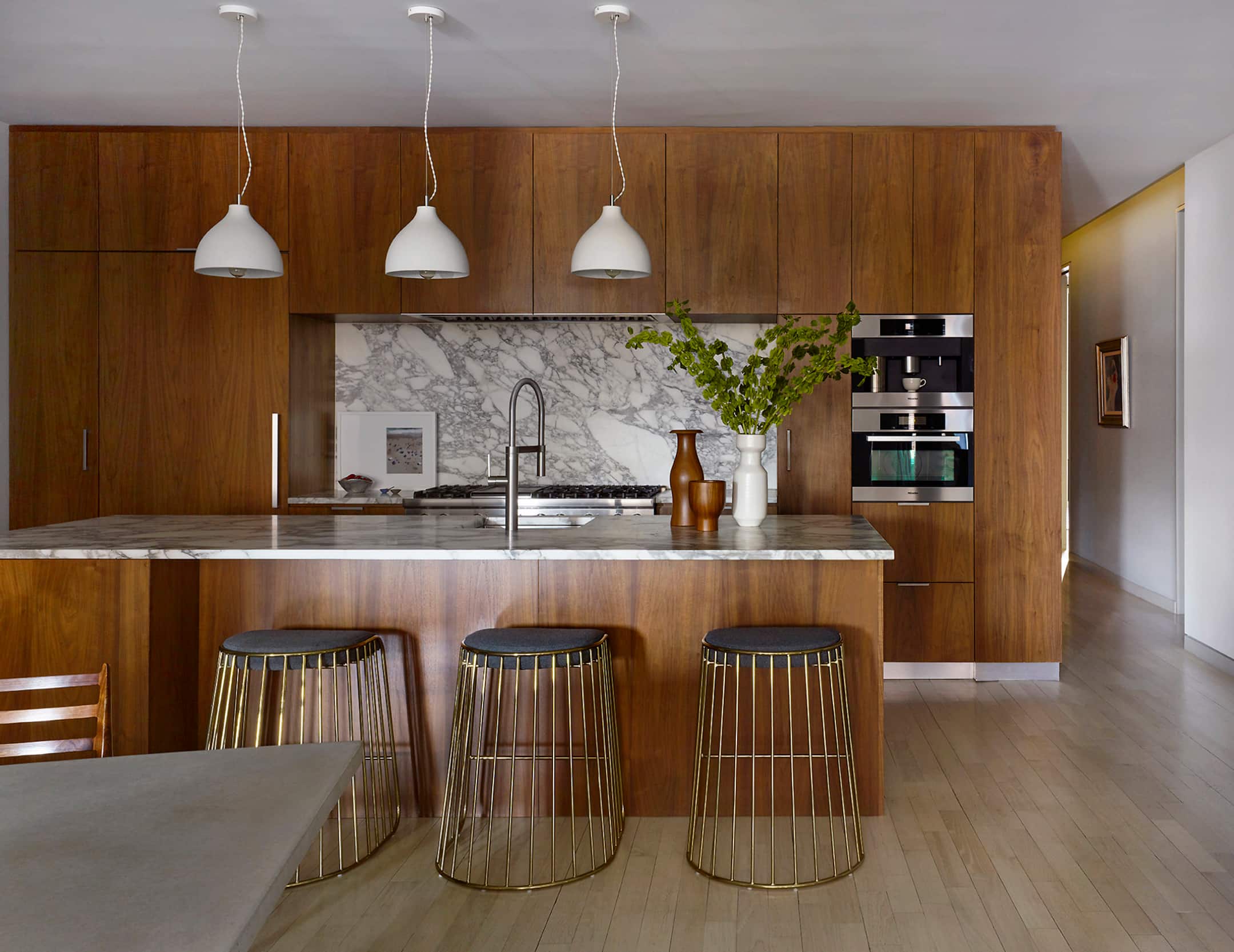
The rule that a kitchen has to look like a kitchen. We've spent decades treating the kitchen as a category - uppers and lowers, an island, a hood, a rigid working triangle, and I find myself increasingly designing kitchens that don't read that way at first glance. More and more, the kitchen has become the living room of the house. It's something I joke about a lot when we have friends over or throw a dinner party: the kitchen is always where people want to hang out. So why not design for that?
The other rule I happily break is that everything has to match. A perfectly coordinated suite of finishes can feel showroom-flat. A little tension between materials makes a kitchen feel collected, not assembled. Breathed into over the years.
How do you balance your own authorship with designing something deeply personal to the client?
My job isn't to put my signature on a client's home, it's to give them the best version of their own. So, I think of my point of view less as a style and more as a filter and a discipline. The vocabulary I bring — proportion, materiality, restraint, a feel for how light moves through a room, those are tools I apply to whatever the client's lifestyle actually wants to be.
The signature, if there is one, lives in the rigor of how I edit, not in a specific look. When the project is done, I want it to feel unmistakably like the client, but it also tends to feel unmistakably like a project I designed. That's the through-line of the work.
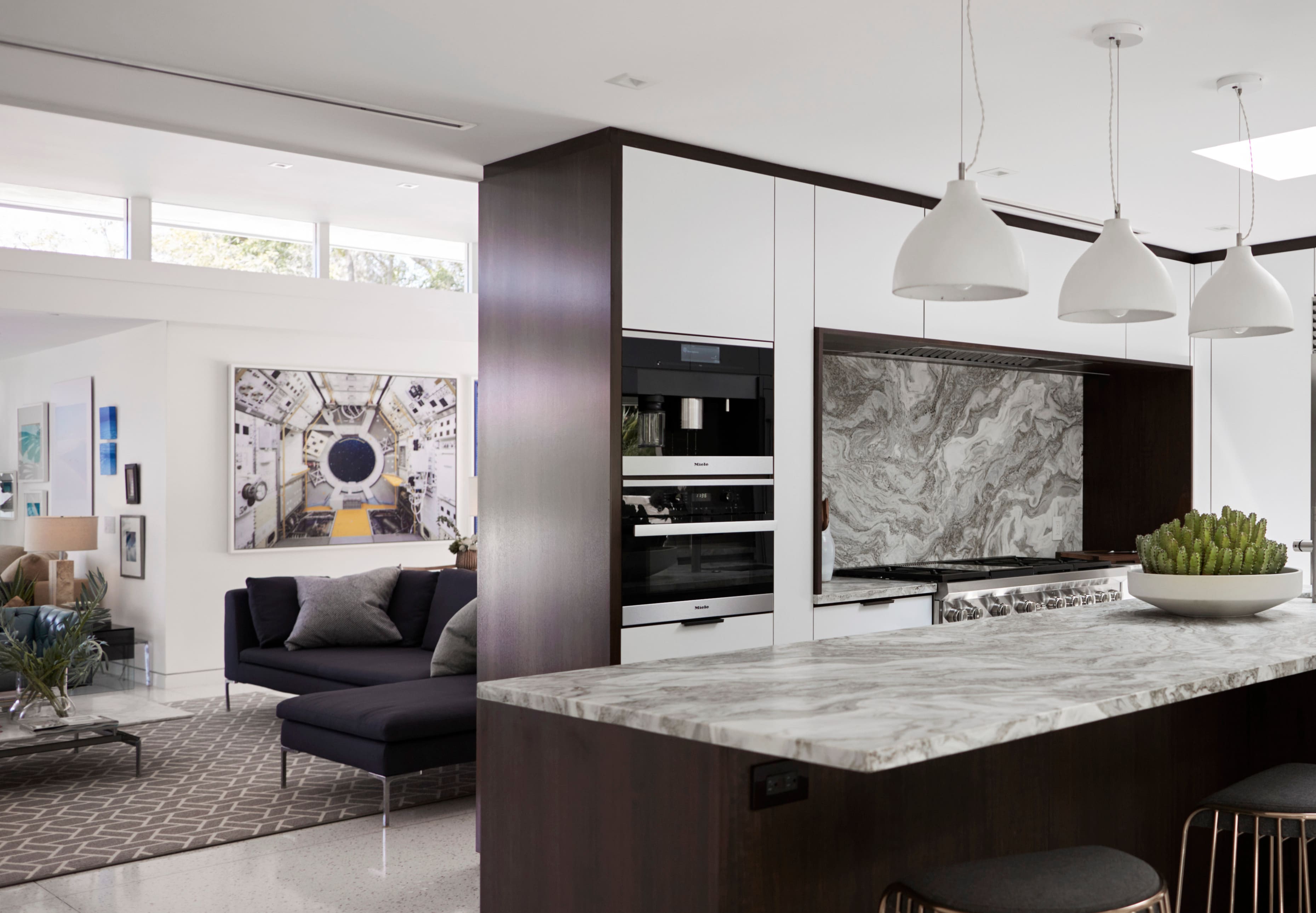
The details you don't notice. A good kitchen looks great when it's finished; an exceptional kitchen feels great five years later. The difference is in things like reveal lines that hold up, hardware that ages without showing it, the way one material or finish meets another. It's the choice to spend on the parts the eye and the hand actually meet every day.
It's also about restraint at the right moments — knowing when to leave a wall alone, when to let the light do the work, when not to add
Can you share an example of a time when specifying Miele made a measurable difference in both design and client satisfaction?
On a recent residential project, the brief was a kitchen that could feel like the most beautiful room in the house but quiet down when it needed to. We integrated a full suite of Miele appliances, refrigeration and dishwashing panel-ready behind custom millwork, the in-wall coffee system tucked into a dedicated bay, the wall oven and speed oven flush with the cabinetry. The design outcome was a room that reads almost entirely as architecture.
The client satisfaction part is always the bigger win. The day-to-day reliability of these appliances becomes a real part of how the client experiences the home and when a client says, "I love how it feels and how it works," you know your job is done.
Looking ahead, how do you see the role of appliances evolving in design?
I think we're going to see appliances become even more integrated, both physically into the architecture, and intelligently into how we live. Intuitive interfaces, smart connectivity, steam cooking that promotes health and wellness, appliances that anticipate. What excites me most is that the design conversation around appliances has finally caught up with the engineering conversation. Brands are treating these objects as design pieces in their own right, not just utilities to be hidden.
That's a big part of what I love about being involved in the Miele Masters program, it's a real seat at the table for designers to help shape that evolution rather than just react to it. The next ten years are going to be about appliances that perform beautifully, age beautifully, and genuinely improve the way we live.
About the Miele Masters Program
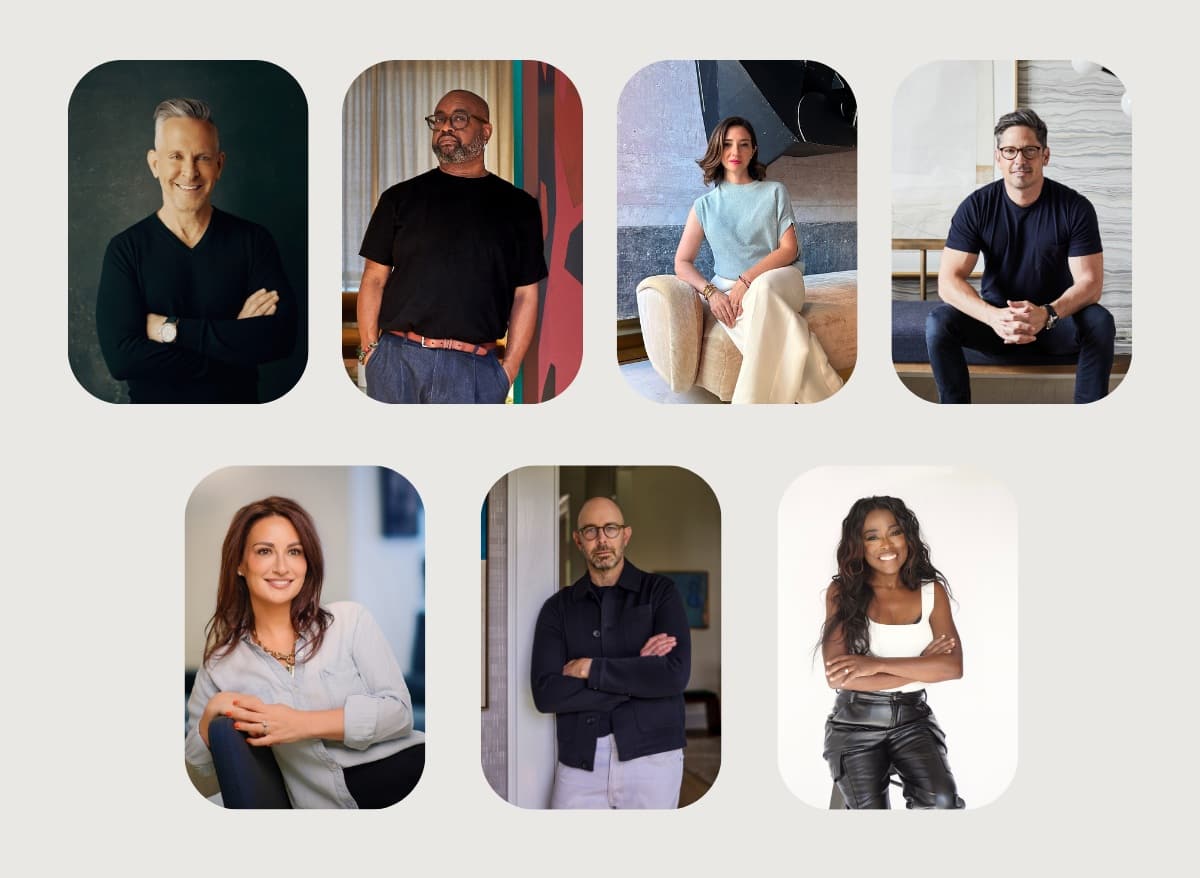
Miele Masters is a new ambassador program created to celebrate and collaborate with leading voices in residential design. The inaugural 2026–2027 class brings together seven influential interior designers from across the country — each a distinct creative voice, united by a shared belief that the home deserves both extraordinary performance and enduring beauty.
Through project collaborations, showroom experiences, and shared educational opportunities, the Miele Masters program deepens Miele's connection with the architecture and design community, and inspires the next generation of designers to see appliances not as an afterthought, but as integral elements of thoughtful, elevated living.